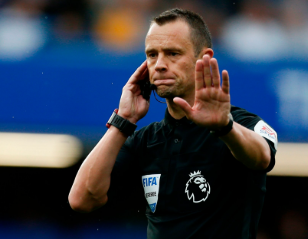
The ball hits the net. The crowd explodes. You hug a stranger. Someone spills a drink. Life is perfect. Then the referee raises a finger to his ear and suddenly everyone has to wait for VAR to have the final word.
We’ve all lived through that incident. The goal looks clean. The replay looks fine. But VAR is checking for foul play on the offside line. A toe. An armpit. Nose hair.A philosophical debate about whether the attacker was offside in spirit. The stadium noise drops from thunder to awkward murmuring. Fans stop celebrating and start praying instead.
The player who scored doesn’t know what to do. He half-celebrates, half-stands around looking forlorn. Teammates gather but keep their arms at a socially acceptable VAR distance. Nobody wants to fully commit. VAR has not yet spoken.
Then come the lines. Those famous, geometry-defying lines. Lines so thin they could be drawn with a human hair. Lines that somehow prove a player was offside despite being clearly born onside. The crowd watches in silence as technology explains why happiness is temporary.
And when the goal is ruled out? People sit down like they’ve aged ten years. Somewhere, a commentator says, “It’s the right decision,” while 50,000 people stare into the void.
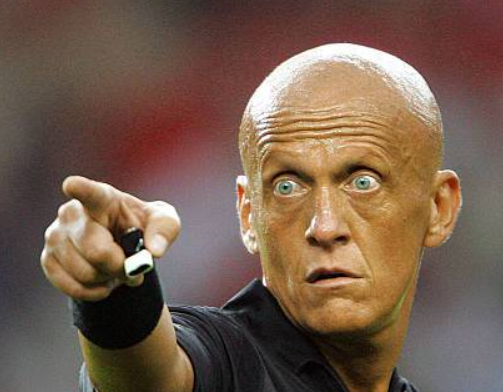
But sometimes,just sometimes,the ref points to the centre circle. The goal stands. And the delayed celebration is unhinged. Relief replaces joy. Strangers hug again. Drinks are spilled again. Life is good once again.
VAR was meant to bring clarity. Instead, it’s changed how we celebrate forever. Goals are no longer moments; they’re cliffhangers. Football is fairer now . But the battles are only over once the VAR has won.